← InsightsCandidate experience
The small habits that stop candidates chasing.
A simple update at the right moment can change how people remember the whole process.
Kēhua Editorial
Research desk · May 1, 2026 · 5 min read
A simple update at the right moment can change how people remember the whole process.
Kēhua Editorial
Research desk · May 1, 2026 · 5 min read
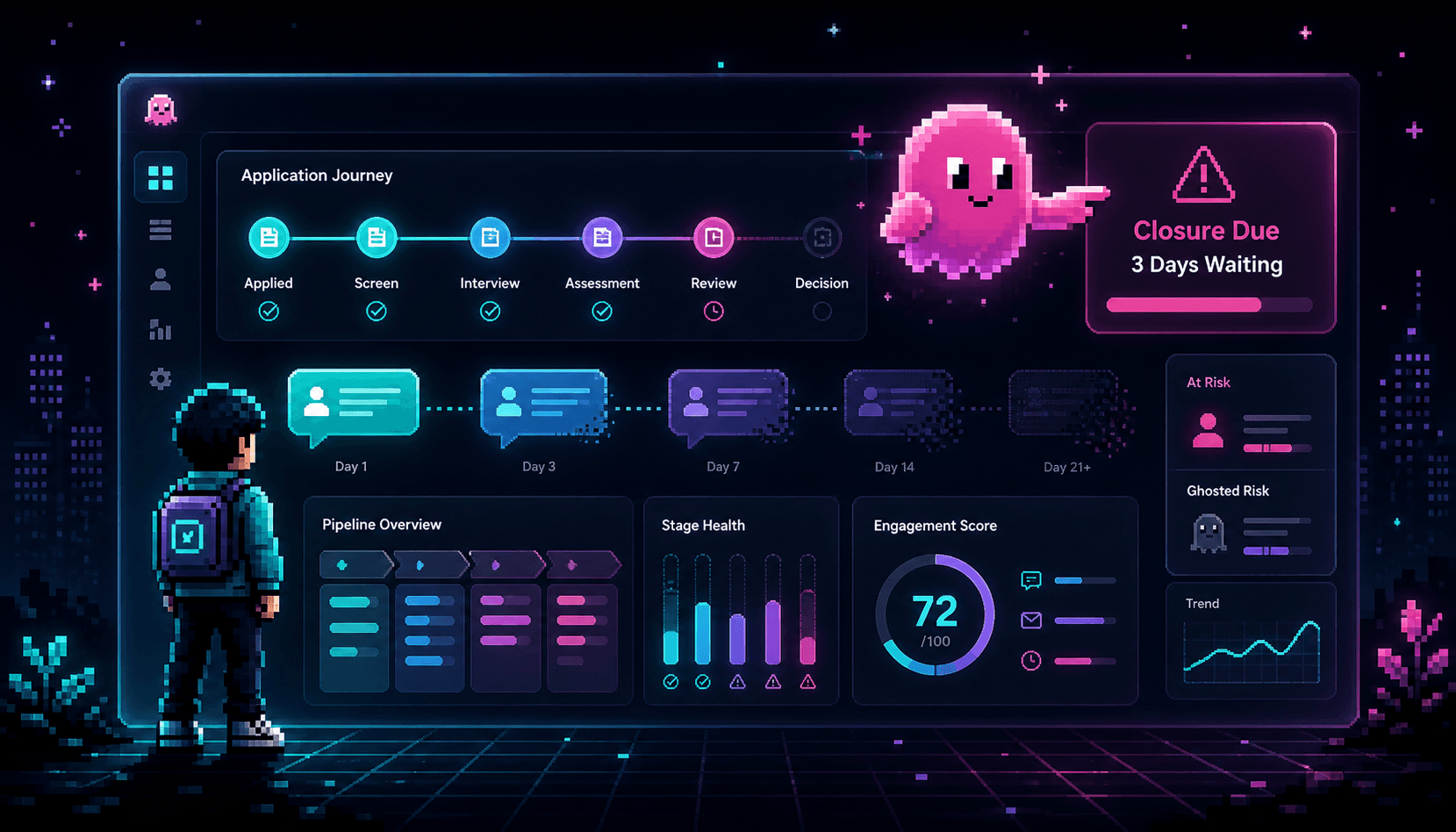
Most recruiters do not intend to leave candidates hanging. The silence that follows an interview is rarely deliberate. It is the result of competing priorities, a filled role, a delayed decision, and a follow-up email that kept getting bumped down the list.
The good news is that the habits which prevent this are genuinely small. They do not require a new platform or a restructured process. They require consistency in a handful of moments that most recruiters already pass through.
The single most effective thing a recruiter can do is tell candidates what to expect before they leave the first conversation. Not a vague "we'll be in touch" — a specific window.
"We're interviewing through to the end of next week, and you should hear from us either way by Friday the 12th." That one sentence removes the uncertainty that drives follow-up emails. Candidates know when to expect contact. They will not chase until that date has passed.
Decisions get delayed. Hiring managers go on leave. Roles get put on hold. These things happen, and candidates understand them — as long as they are told.
A two-sentence update when a process extends beyond the original window costs almost nothing and prevents a flood of chasing emails. "We're still working through the final stages — we expect to have an update for you by [date]. Thanks for your patience." That is enough.
This is where most processes fall down. When an offer goes out to the successful candidate, the unsuccessful ones are forgotten. They are still waiting. They are still checking.
Building the habit of closing all threads simultaneously — not after onboarding begins, not when you get to it — is the difference between a process people remember positively and one they post about on LinkedIn.
These habits sound simple because they are. The challenge is consistency. When a process is busy and a team is stretched, the small courtesies are the first to go.
The recruiters and teams who build these habits into their default process — not their aspirational process — find that candidates chase less, reviews improve, and referrals increase. Small inputs, compounding over time.
Better for candidates. Better for recruiters. Better for the world of work.